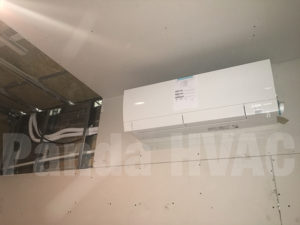
Clean Indoor Unit Air Filters Monthly
The air filters in your ductless mini-split indoor units capture dust, pollen, pet dander, and other airborne particles before conditioned air circulates through your home. Over time, these filters accumulate debris that restricts airflow, forcing the system to work harder and consume more energy. In Brooklyn, where high-rise buildings and street traffic generate significant dust, filters can clog faster than in suburban settings.
Most manufacturers recommend checking and cleaning filters every 30 days during peak cooling or heating seasons. If you have pets, smoke indoors, or live near construction sites, you may need to clean them every two weeks. The process is straightforward: open the front panel of the indoor unit, lift the filter tabs to release them, and gently pull the filters out. Hold each filter up to a light source; if light cannot pass through easily, cleaning is overdue.
Wash the filters in warm water with a mild dish soap. Avoid harsh chemicals or abrasive scrubbing, which can damage the filter mesh. Rinse thoroughly until the water runs clear, then shake off excess moisture. Allow the filters to air dry completely before reinstalling them. Inserting damp filters can encourage mold growth inside the unit and degrade indoor air quality.
Some homeowners keep a spare set of filters on hand to minimize downtime. While one set dries, you can install the clean backup set immediately. This approach is especially useful during summer months when you rely heavily on cooling. Neglecting filter maintenance reduces efficiency by up to 15 percent and can lead to compressor strain, which eventually requires ac repair by an hvac technician.
Mark your calendar or set a smartphone reminder for monthly filter checks. This simple habit extends equipment life, lowers energy bills, and keeps your Brooklyn home comfortable year-round.
Wipe Down the Indoor and Outdoor Units
Beyond filter maintenance, the exterior surfaces and coils of your ductless mini-split require regular attention. Dust and grime accumulate on the indoor unit’s intake grilles and on the outdoor condenser, reducing heat exchange efficiency. In urban environments like Brooklyn, airborne particulates from traffic exhaust and industrial activity settle on equipment quickly.
Start with the indoor unit. Power off the system at the thermostat or circuit breaker to prevent accidental operation during cleaning. Use a soft, dry microfiber cloth to wipe down the unit’s exterior and front panel. For stubborn spots, lightly dampen the cloth with water or a gentle all-purpose cleaner. Avoid spraying liquid directly onto the unit, as moisture can infiltrate electrical components.
Open the front panel to access the evaporator coil, located behind the filters. Use a coil brush or a soft-bristle paintbrush to gently remove dust from the coil fins. Work vertically along the fins to avoid bending them. Bent fins restrict airflow and reduce cooling or heating capacity. If fins are already damaged, a fin comb tool can straighten them, or you can schedule a visit from an hvac technician for a thorough inspection and ductless hvac tune-up.
The outdoor condenser unit sits exposed to the elements and collects leaves, pollen, and dirt. Clear any debris from around the unit, ensuring at least two feet of clearance on all sides for proper airflow. Use a garden hose on a gentle spray setting to rinse the condenser coils from the inside out. High-pressure washing can bend fins and damage the coil surface, so keep the pressure low. If the coils appear heavily soiled or you notice reduced cooling performance, a professional coil cleaning service may be necessary.
In winter, check the outdoor unit for ice buildup after snow or freezing rain. While the system’s defrost cycle typically handles light frost, heavy ice can obstruct airflow. Never chip ice away with tools; instead, pour lukewarm water over the unit or allow the defrost cycle to run. Regular exterior cleaning prevents long-term corrosion and maintains efficient heat transfer, keeping your system running at peak performance throughout Brooklyn’s variable seasons.
Inspect and Clear the Condensate Drain Line
Ductless mini-split systems produce condensation as they remove humidity from indoor air. This moisture collects in a drain pan inside the indoor unit and exits through a condensate drain line. Over time, algae, mold, and mineral deposits can clog the line, causing water to back up and overflow. In Brooklyn apartments and townhouses, water damage from a clogged drain can affect walls, ceilings, and flooring.
Locate the condensate drain line, usually a small PVC or vinyl tube exiting the indoor unit and running to the outdoors or a drain. During cooling season, you should see a steady drip or trickle of water from the end of the line. If the line is dry during operation or you notice water pooling around the indoor unit, a blockage is likely.
To clear a minor clog, disconnect the drain line from the indoor unit or access point and pour a mixture of one cup white vinegar and one cup warm water into the line. Let it sit for 30 minutes to dissolve buildup, then flush with clean water. For stubborn clogs, use a wet-dry vacuum to suction debris from the drain line’s exterior outlet. Attach the vacuum hose to the end of the drain line and run it for a few minutes to pull out blockages.
Prevent future clogs by pouring a few ounces of distilled vinegar into the drain pan every month during the cooling season. This simple step inhibits algae growth and keeps the line clear. Some homeowners install a drain line float switch, which automatically shuts off the system if water backs up, preventing overflow damage.
If you encounter persistent drainage issues, such as gurgling sounds, slow drainage, or foul odors from the indoor unit, contact an hvac technician for a full system inspection. Professional air conditioning repair services can identify hidden problems in the drain pan, pump, or line routing that require specialized tools and expertise.
Routine drain line maintenance is a small investment of time that protects your home from water damage and keeps your ductless system operating smoothly.
Why Regular Cleaning Extends Your Mini-Split’s Lifespan
Your ductless mini-split system relies on accurate temperature sensing and control settings to deliver optimal comfort and efficiency. Over time, remote control batteries weaken, sensors drift, or user settings become outdated. Seasonal adjustments ensure the system responds correctly to Brooklyn’s hot summers and cold winters.
Replace remote control batteries at least once per year, or whenever you notice delayed response or a dim display. Weak batteries can prevent the system from receiving commands, leading to frustration and unnecessary service calls. Keep spare batteries on hand and test the remote periodically to confirm all buttons function properly.
Review your temperature setpoints and operating modes at the start of each season. In summer, set the system to cooling mode and adjust the target temperature to 72-76°F for balanced comfort and efficiency. In winter, switch to heating mode and set the thermostat to 68-72°F. Avoid extreme setpoints; every degree beyond these ranges increases energy consumption by approximately five percent.
Many ductless systems feature programmable timers, sleep modes, and energy-saving functions. Take advantage of these settings to reduce runtime when you are away from home or asleep. For example, set the system to lower the temperature by a few degrees at night or during work hours, then return to your preferred setting before you wake or arrive home.
If your system includes a smart thermostat installation or Wi-Fi connectivity, use the mobile app to monitor performance, adjust settings remotely, and receive maintenance alerts. Smart thermostats can track energy usage patterns and suggest adjustments to save money.
Inspect the indoor unit’s temperature sensor, usually located near the air intake. Ensure it is not obstructed by furniture, curtains, or decorations. A blocked sensor reads inaccurate temperatures and causes the system to cycle on and off unnecessarily, wasting energy and shortening equipment life.
If you experience inconsistent temperatures, short cycling, or unresponsive controls, the sensor or control board may require calibration or replacement. An experienced hvac technician can diagnose and resolve these issues quickly, restoring your system to proper operation. Regular attention to control settings and sensor function keeps your ductless mini-split running efficiently and your Brooklyn home comfortable in every season.
When DIY maintenance reaches its limits or you need a deeper inspection, reach out to a qualified hvac technician. Our team provides thorough ductless HVAC service, including coil cleaning, refrigerant checks, and system optimization. We serve Brooklyn, Manhattan, Queens, and surrounding areas, and we are ready to help you get the most from your ductless system. Call 917-971-2632 or visit our contact page to schedule your maintenance visit.
Schedule Your Mini-Split Maintenance Today
Ductless mini-split air conditioners have become increasingly popular throughout Brooklyn and the surrounding boroughs, offering efficient heating and cooling without the need for extensive ductwork. These systems are particularly well-suited to the diverse housing stock found across New York City, from pre-war brownstones in Park Slope to modern apartments in Williamsburg. However, like any HVAC system, ductless mini-splits require regular cleaning and maintenance to operate at peak efficiency and deliver the comfort you expect.
Understanding how to properly clean and maintain your ductless mini-split air conditioner not only ensures optimal performance but also extends the system’s lifespan, improves indoor air quality, and reduces energy consumption. This comprehensive guide walks you through the essential maintenance tasks every homeowner should know, along with when to call in professional help.
Understanding Your Ductless Mini-Split System
Before diving into maintenance procedures, it’s helpful to understand the basic components of your ductless mini-split system. The system consists of an outdoor compressor unit and one or more indoor air handlers mounted on walls or ceilings. These components work together through refrigerant lines to provide zoned temperature control, making them ideal for the varied heating and cooling needs across different rooms in your home.
The indoor air handlers contain filters, evaporator coils, drain pans, and blower fans, all components that require periodic cleaning. The outdoor unit houses the compressor and condenser coils, which also benefit from regular attention. When these components become dirty or clogged, your system works harder, consumes more energy, and may fail prematurely.
Monthly Filter Cleaning: Your Most Important Task
The air filters in your indoor units represent the first line of defense against dust, allergens, and debris. In Brooklyn’s urban environment, where airborne particles from traffic, construction, and dense population accumulate quickly, these filters can become dirty faster than in less populated areas.
To clean your filters monthly, start by turning off the unit. Open the front panel of the indoor air handler, most models allow you to gently lift or swing the panel open. Remove the mesh filters, which typically slide out easily. Vacuum the filters thoroughly to remove loose dust, then wash them with warm water and mild dish soap. Rinse completely and allow them to air dry fully before reinstalling. Never operate your mini-split without filters in place, as this allows debris to accumulate on internal components.
During peak usage seasons, summer cooling and winter heating, you may need to clean filters every two to three weeks, especially if you have pets, high foot traffic, or open windows frequently.
Cleaning the Indoor Unit Housing and Vents
Beyond the filters, the exterior housing and louvers of your indoor unit collect dust and require regular attention. Using a soft, damp cloth, wipe down the unit’s exterior surfaces monthly. Pay special attention to the air intake and output vents, where dust tends to accumulate.
For the adjustable louvers that direct airflow, use a soft brush or cloth to clean between the slats. Avoid using harsh chemicals or abrasive materials that might damage the finish or plastic components. A solution of water with a small amount of mild detergent works well for removing stubborn grime.
Evaporator Coil Maintenance
The evaporator coils inside your indoor unit play a critical role in heat exchange. Over time, these coils can accumulate dust and debris that reduces efficiency. While you can perform basic coil cleaning yourself, this task requires more care than filter maintenance.
With the unit powered off and filters removed, you can access the evaporator coils. Using a soft brush or a fin comb designed for HVAC coils, gently brush away visible dust and debris. Work carefully to avoid bending the delicate aluminum fins. For deeper cleaning, a no-rinse coil cleaner spray can be applied according to manufacturer instructions. The cleaner foams up, breaks down dirt and grime, and drains away through the condensate system.
However, if you’re uncomfortable accessing internal components or notice significant buildup, professional cleaning ensures thorough results without risking damage to your system.
Condensate Drain Line Care
Your mini-split system removes moisture from the air during cooling operation, and this condensate must drain properly. The drain line can become clogged with algae, mold, or debris, leading to water leaks and potential damage.
Every few months, locate the condensate drain line, typically a small pipe exiting near the indoor unit. Pour a cup of distilled white vinegar or a specialized condensate drain treatment down the line to prevent clogs and kill biological growth. If you notice water dripping from the indoor unit or pooling around it, the drain line may be clogged and require professional attention.
In humid Brooklyn summers, condensate production increases significantly, making drain line maintenance particularly important during the cooling season.
Outdoor Unit Maintenance
The outdoor compressor unit requires less frequent attention but shouldn’t be neglected. Seasonally, inspect the area around the outdoor unit and clear away leaves, debris, dirt, and vegetation. Maintain at least two feet of clear space around all sides of the unit to ensure proper airflow.
Examine the condenser coils on the outdoor unit’s exterior. If they appear dirty or clogged with debris, you can gently spray them with a garden hose from the inside out (never use a pressure washer, which can damage the fins). Turn off power to the unit before cleaning.
During autumn, falling leaves can accumulate in and around the outdoor unit. Regular checks during this season prevent debris buildup that can restrict airflow and reduce efficiency. Similarly, after significant storms or high winds common in the New York area, inspect the outdoor unit for damage or displaced components.
When to Schedule Professional Maintenance
While regular homeowner maintenance keeps your system running well between professional visits, annual professional servicing remains essential. A qualified HVAC technician performs tasks beyond the scope of typical homeowner maintenance, including refrigerant level checks, electrical connection inspection, motor lubrication, and comprehensive system testing.
For ductless systems, scheduling professional maintenance in spring (before cooling season) or fall (before heating season) ensures your system is ready for peak demand periods. Professional technicians have specialized tools and expertise to identify potential problems before they become costly repairs.
If you notice any of the following issues, schedule professional service immediately rather than waiting for your annual appointment: unusual noises, reduced heating or cooling capacity, water leaks, ice formation on indoor or outdoor components, unusual odors, or significantly increased energy bills.
Seasonal Maintenance Checklist
To keep your ductless mini-split system operating efficiently year-round, follow this seasonal maintenance schedule:
Spring: Clean or replace filters, schedule professional pre-cooling season service, clear outdoor unit of winter debris, test cooling operation.
Summer: Clean filters monthly, monitor condensate drainage, keep outdoor unit clear, wipe down indoor unit exterior.
< strong>Fall: Clean filters, schedule professional pre-heating season service if you use heat pump mode, remove leaves and debris from outdoor unit, test heating operation.
Winter: Monitor outdoor unit for ice or snow accumulation (clear gently if needed), maintain monthly filter cleaning, ensure outdoor unit elevation keeps it above snow level.
Energy Efficiency and Performance Benefits
Regular cleaning and maintenance directly impacts your system’s efficiency and your energy bills. A dirty filter can reduce system efficiency by five to fifteen percent, while dirty coils decrease heat transfer capacity, forcing the system to run longer to achieve desired temperatures.
In New York City, where electricity costs remain above the national average, maintaining peak efficiency translates to meaningful savings. A well-maintained ductless mini-split operates quietly, responds quickly to thermostat adjustments, and maintains consistent comfort without excessive cycling.
Additionally, clean systems improve indoor air quality by effectively filtering airborne particles rather than recirculating dust and allergens. For households with allergies, asthma, or respiratory sensitivities, this benefit alone justifies diligent maintenance.
Common Mistakes to Avoid
Several common maintenance mistakes can damage your system or reduce its effectiveness. Never use harsh chemicals, bleach, or abrasive cleaners on any component of your mini-split. Avoid high-pressure water spray on coils, which bends fins and reduces airflow. Don’t neglect filter cleaning, this simple task prevents numerous problems.
Similarly, never attempt to add refrigerant yourself or open refrigerant lines. Refrigerant work requires specialized licensing and equipment. If your system seems low on refrigerant (evidenced by reduced cooling capacity or ice formation), contact a licensed technician to diagnose and repair the leak before recharging the system.
Professional Support for Your Ductless System
Maintaining your ductless mini-split air conditioner involves regular homeowner tasks combined with professional expertise. At Panda HVAC, we understand the unique demands placed on HVAC systems throughout Brooklyn, Queens, Manhattan, and the surrounding areas. Our team provides comprehensive maintenance services for ductless systems, ensuring optimal performance and longevity.
Whether you need a thorough professional cleaning, annual maintenance service, or repairs for your ductless system, our experienced technicians deliver quality workmanship and reliable results. We work with residential and commercial properties throughout the New York City area, helping property owners maximize their HVAC investments through proper care and maintenance.
To schedule maintenance for your ductless mini-split system or to discuss any concerns about your system’s performance, contact us at 917-971-2632 or email pandahvacny@gmail.com. We’re available Monday through Friday from 9 AM to 5 PM to answer your questions and schedule service visits at your convenience.