
Why Timely HVAC System Repair Protects Your Home
Your heating and cooling system stands as one of the most essential mechanical installations in your Brooklyn home, working continuously through sweltering summers and freezing winters to maintain comfortable indoor conditions. When components begin to fail or efficiency drops, the consequences extend far beyond discomfort. Neglected issues often escalate into costly emergency breakdowns, leaving families sweltering during July heat waves or shivering through January cold snaps when HVAC technicians are busiest and response times stretch longest.
The unique climate demands in Brooklyn place exceptional strain on residential systems. Summer humidity combined with temperatures frequently climbing into the 90s forces air conditioning units to run nearly nonstop for months, while winter cold requires furnaces to cycle constantly just to maintain baseline warmth. This intense seasonal usage accelerates wear on critical components like compressors, blower motors, and heat exchangers. Small inefficiencies compound quickly, driving energy bills upward while performance degrades.
Addressing malfunctions promptly preserves both system longevity and household budgets. A refrigerant leak left unrepaired forces the compressor to work harder, shortening its lifespan by years. A clogged air filter restricts airflow, causing the blower motor to overheat and eventually burn out. These cascading failures transform minor repairs into major replacements. Our team has seen countless cases where a $200 repair ignored for months becomes a $3,000 emergency replacement during the worst possible weather.
Beyond economics, system reliability directly impacts indoor air quality and family health. Malfunctioning equipment can distribute dust, allergens, and even mold spores throughout living spaces. Cracked heat exchangers in furnaces pose serious carbon monoxide risks. When you invest in timely heating system repair or air conditioning repair, you protect both comfort and safety for everyone in your household.
Warning Signs Your System Requires Immediate Attention
Recognizing the early indicators of HVAC system trouble allows homeowners to schedule repairs before minor issues become emergencies. Many symptoms appear gradually, making them easy to dismiss until complete failure occurs. Understanding what to watch for empowers you to take action at the optimal time.
Unusual sounds represent one of the most telling warning signals. Grinding, squealing, or banging noises indicate mechanical problems such as worn bearings, loose belts, or failing motors. A healthy system operates with a consistent, quiet hum. If you hear rattling from ductwork or clanking from the outdoor unit, components have likely loosened or broken. These sounds rarely resolve themselves and typically worsen until the system stops functioning entirely.
Inconsistent temperatures throughout your home signal distribution problems or capacity issues. Brooklyn brownstones and multi-story homes naturally experience some temperature variation between floors, but dramatic differences between rooms on the same level suggest ductwork leaks, blocked vents, or failing zone controls. If your bedroom stays frigid while your living room swelters, the system cannot properly balance airflow. This often stems from duct damage, dirty coils, or refrigerant imbalances that require professional hvac repair to diagnose and correct.
Escalating energy bills without corresponding usage changes indicate declining efficiency. When your system works harder to achieve the same results, it consumes more electricity or gas. Compare recent utility statements to the same months in previous years. A 15-20% increase without explanation often means your equipment is struggling. Common culprits include refrigerant leaks, dirty components restricting airflow, or aging equipment losing capacity.
Frequent cycling where the system turns on and off repeatedly in short intervals suggests thermostat problems, airflow restrictions, or sizing issues. Conversely, if the system runs continuously without reaching the set temperature, it lacks sufficient capacity or faces mechanical limitations. Both patterns indicate problems requiring assessment. Our team frequently addresses these issues alongside smart thermostat installation to improve system control and efficiency.
Moisture accumulation or unusual odors demand immediate investigation. Condensation pooling around the indoor unit may indicate a clogged drain line or refrigerant leak. Musty smells suggest mold growth within ductwork or the air handler, while burning odors can signal electrical problems or overheating components. Never ignore these warning signs, as they can indicate serious safety hazards.
Most Common HVAC Failures and Their Root Causes
Understanding the typical failure points in heating and cooling systems helps homeowners recognize problems early and make informed decisions about maintenance priorities. Certain components fail more frequently due to their role in system operation and the stress they endure through constant cycling.
Thermostat malfunctions rank among the most common service calls, yet they often masquerade as larger system failures. A miscalibrated or failing thermostat sends incorrect signals to the equipment, causing erratic behavior that appears to indicate compressor or furnace problems. Dead batteries, loose wiring, or outdated technology can all trigger performance issues. Upgrading to modern programmable or Wi-Fi-enabled controls often resolves persistent problems while improving energy management and allowing remote system monitoring from anywhere.
Refrigerant leaks gradually degrade air conditioning and heat pump performance. Unlike fuel that burns away, refrigerant circulates in a closed loop and should never need refilling under normal circumstances. When levels drop, it indicates a leak somewhere in the system. Low refrigerant forces the compressor to work harder, reduces cooling capacity, and can cause the evaporator coil to freeze. Finding and sealing leaks, then properly recharging the system, requires specialized equipment and training. This represents one area where professional ac repair proves essential, as improper handling of refrigerants carries both legal and environmental consequences.
Dirty or clogged components obstruct airflow and force systems to work harder than designed. Air filters should be changed every 30-90 days depending on household conditions, yet many homeowners stretch intervals to six months or longer. Evaporator and condenser coils accumulate dust and debris that insulate surfaces meant to transfer heat. Blower wheels collect buildup that reduces airflow and strains motors. Regular air duct cleaning and component maintenance prevents many of these issues, but once performance degrades, professional cleaning restores efficiency.
Electrical failures including capacitor burnout, relay problems, and wiring deterioration cause sudden system shutdown. Capacitors provide the electrical boost motors need to start and maintain operation. When they fail, the system won’t start or runs inefficiently. Brooklyn’s humid summers and temperature extremes accelerate capacitor aging, making them among the most frequently replaced components. Fortunately, capacitor replacement represents a relatively straightforward and affordable repair when addressed promptly.
Ignition and pilot light issues affect furnaces and boilers, preventing proper heating. Modern systems use electronic ignition rather than standing pilot lights, but sensors can fail or become dirty. Flame sensors that detect whether the burner has ignited properly often corrode or become coated with residue, causing the system to shut down as a safety measure. Cleaning or replacing these sensors restores furnace repair functionality and prevents nuisance shutdowns during cold weather.
When to Call for Professional HVAC System Repair
While many HVAC issues require specialized knowledge and equipment to resolve, homeowners can perform several basic troubleshooting steps that may identify simple problems or provide useful information to technicians when service becomes necessary. These checks pose no safety risks and require no special tools beyond a flashlight and perhaps a screwdriver.
Start with the thermostat, as settings account for a surprising number of service calls for systems that actually function correctly. Verify the thermostat is set to the appropriate mode, heating or cooling, and that the temperature setting makes sense for your desired outcome. Check that the fan setting matches your preference: “auto” runs the fan only when heating or cooling, while “on” runs it continuously. Replace batteries if the display appears dim or blank. If you have a programmable thermostat, confirm the current schedule matches your actual needs, as work-from-home arrangements or schedule changes can render old programs obsolete.
Inspect the air filter, which should be checked monthly and replaced when visibly dirty or at least quarterly. A clogged filter restricts airflow, reducing efficiency and potentially causing the system to overheat and shut down. Filters are typically located in a slot where the return duct connects to the air handler, or in some homes, in a wall or ceiling grille. Note the size printed on the filter frame so you purchase the correct replacement. This simple maintenance task prevents many performance problems and represents the single most important thing homeowners can do to maintain system health.
Check the circuit breakers that power your HVAC equipment. Both the indoor air handler or furnace and the outdoor condensing unit typically have dedicated breakers in your electrical panel. If a breaker has tripped to the off position, something caused an overload. Reset it once, but if it trips again immediately, stop and call for service, as repeated resets can damage equipment or indicate a serious electrical problem. Also locate the emergency shutoff switch, usually mounted on or near the indoor unit and sometimes resembling a light switch. Homeowners occasionally flip these accidentally, cutting power to the system entirely.
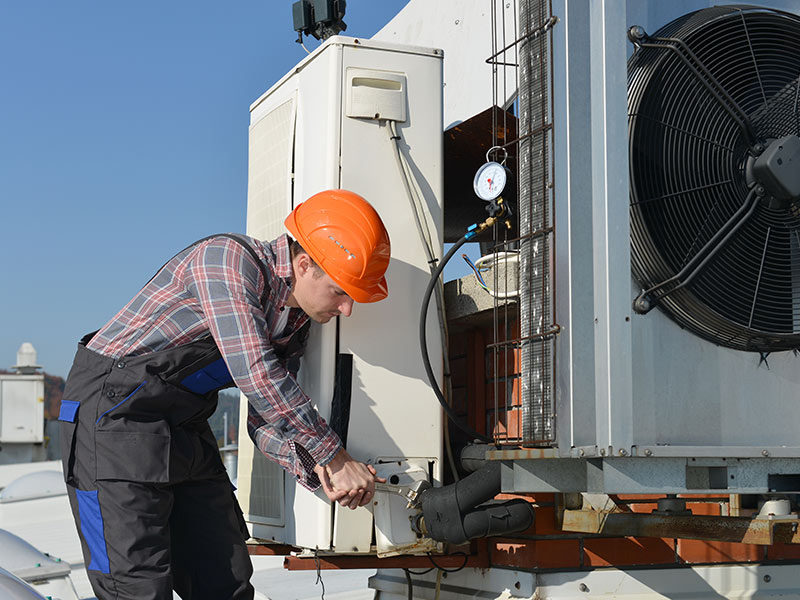
Examine the outdoor unit for obvious obstructions. Clear away leaves, grass clippings, or debris that may have accumulated around the base or blown against the sides. Trim back vegetation to maintain at least two feet of clearance on all sides, allowing proper airflow. However, avoid spraying water directly into the unit or removing panels, as internal components require professional handling. During winter, check that the unit hasn’t become buried in snow or blocked by ice dams from roof drainage.
Listen for unusual sounds and note their characteristics, grinding, squealing, clicking, or hissing, along with when they occur in the system cycle. This information helps technicians diagnose problems more quickly. Similarly, document performance issues: does the problem occur only during heating or cooling, does it affect certain rooms more than others, and when did you first notice the change. These details prove invaluable during service calls and may reduce diagnostic time.
If these basic checks don’t resolve the issue or reveal an obvious cause, it’s time to schedule professional service. Modern HVAC systems contain refrigerants, high-voltage electrical components, and combustion equipment that require proper training and tools to service safely. Our team handles everything from routine maintenance to complex water heater repair and furnace repair, bringing the experience needed to diagnose problems accurately and implement lasting solutions. Rather than risk further damage through guesswork or improper repairs, homeowners benefit from scheduling timely service through our contact page to restore comfort and efficiency quickly.
Common HVAC System Problems and Solutions
Understanding when your heating and cooling system requires immediate attention can prevent minor issues from escalating into costly failures. Brooklyn homeowners face unique challenges with HVAC systems due to the city’s extreme seasonal temperature swings and the age of many residential buildings. Recognizing early warning signs allows you to address problems before system performance degrades or complete breakdowns occur during peak demand periods.
Unusual noises represent one of the most common indicators that your system needs service. While all HVAC equipment produces some operational sound, grinding, squealing, or banging noises signal mechanical problems that require diagnosis. These sounds often indicate worn bearings, loose components, or failing motors that will worsen without intervention.
Inconsistent temperatures throughout your space suggest distribution problems or failing components. If certain rooms remain uncomfortably warm while others cool properly, or if your system runs continuously without achieving the set temperature, the underlying cause might involve refrigerant levels, ductwork issues, or compressor problems. These conditions not only compromise comfort but also increase energy consumption significantly.
Rising utility bills without corresponding changes in usage patterns often indicate declining system efficiency. When heating and cooling equipment struggles with worn components or refrigerant loss, it consumes substantially more energy to maintain desired temperatures. Addressing these efficiency losses through timely repair work typically costs far less than the cumulative expense of elevated monthly bills.
Frequent cycling, where your system turns on and off repeatedly in short intervals, indicates control problems, sizing issues, or thermostat malfunctions. This behavior stresses components and reduces equipment lifespan while failing to maintain comfortable conditions. The pattern often develops gradually, making it easy to overlook until the problem becomes severe.
Poor airflow from vents suggests blower problems, ductwork obstructions, or filter issues that restrict circulation. Reduced airflow forces your system to operate longer to achieve temperature goals, increasing wear on components and energy costs. In some cases, airflow problems create humidity control issues that affect indoor air quality and comfort.
Moisture or leaks around your equipment should never be ignored. While condensation drainage is normal, pooling water or refrigerant leaks indicate problems that require immediate professional attention. Refrigerant leaks particularly demand prompt service, as they compromise system performance and may pose health concerns.
Unpleasant odors coming from your HVAC system warrant investigation. Musty smells suggest mold growth in ductwork or the unit itself, while burning odors might indicate electrical problems or overheating components. These situations require diagnosis to determine whether the issue involves simple cleaning or more significant repair work.
For Brooklyn residents experiencing any of these warning signs, scheduling an evaluation prevents further damage and restores proper function. The team at Panda HVAC Inc. provides diagnostic services that identify the root cause of system problems, followed by repair solutions designed to restore optimal performance and efficiency. With the demands placed on heating and cooling equipment in New York City’s climate, timely intervention protects your investment and maintains year-round comfort.